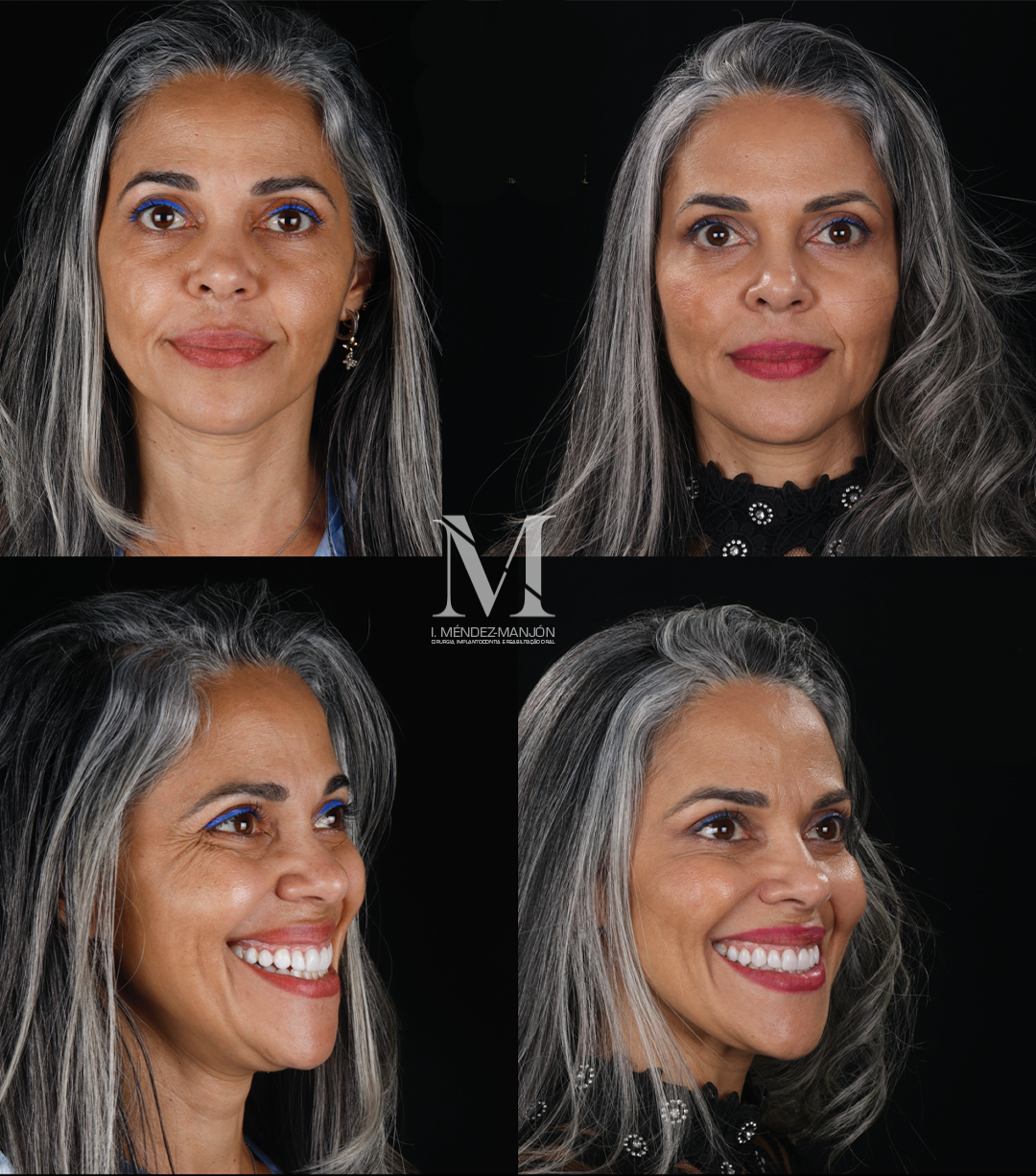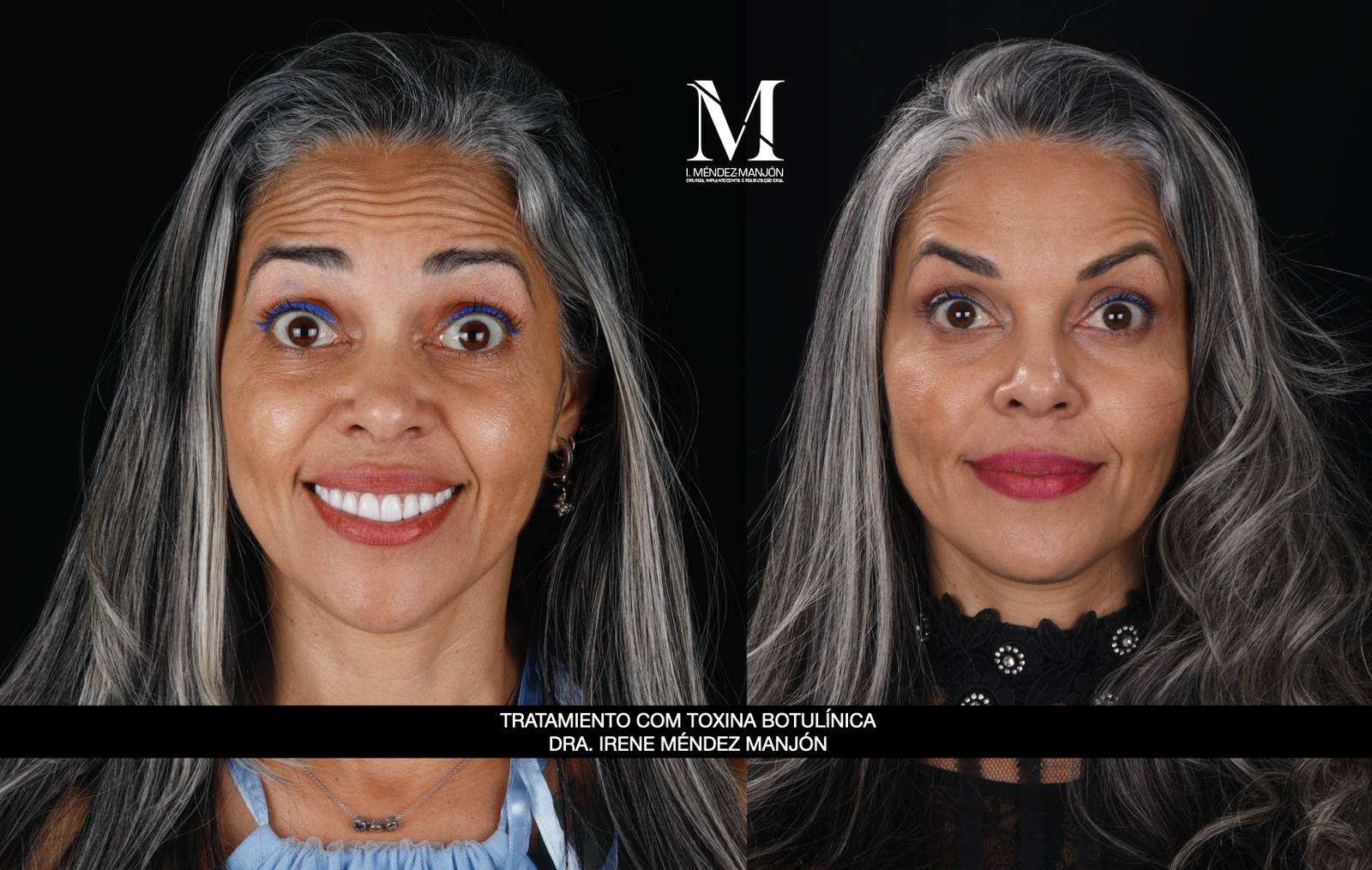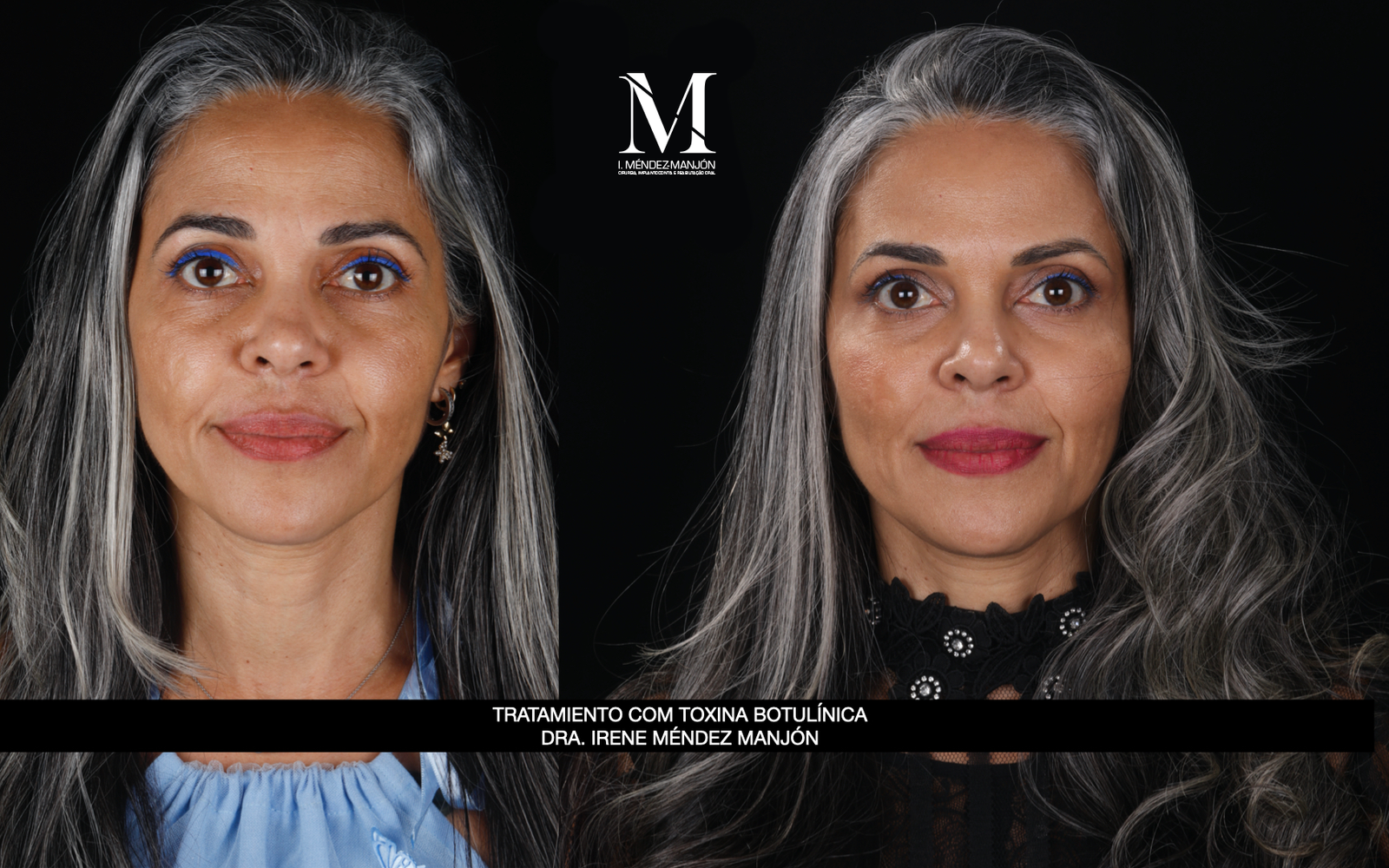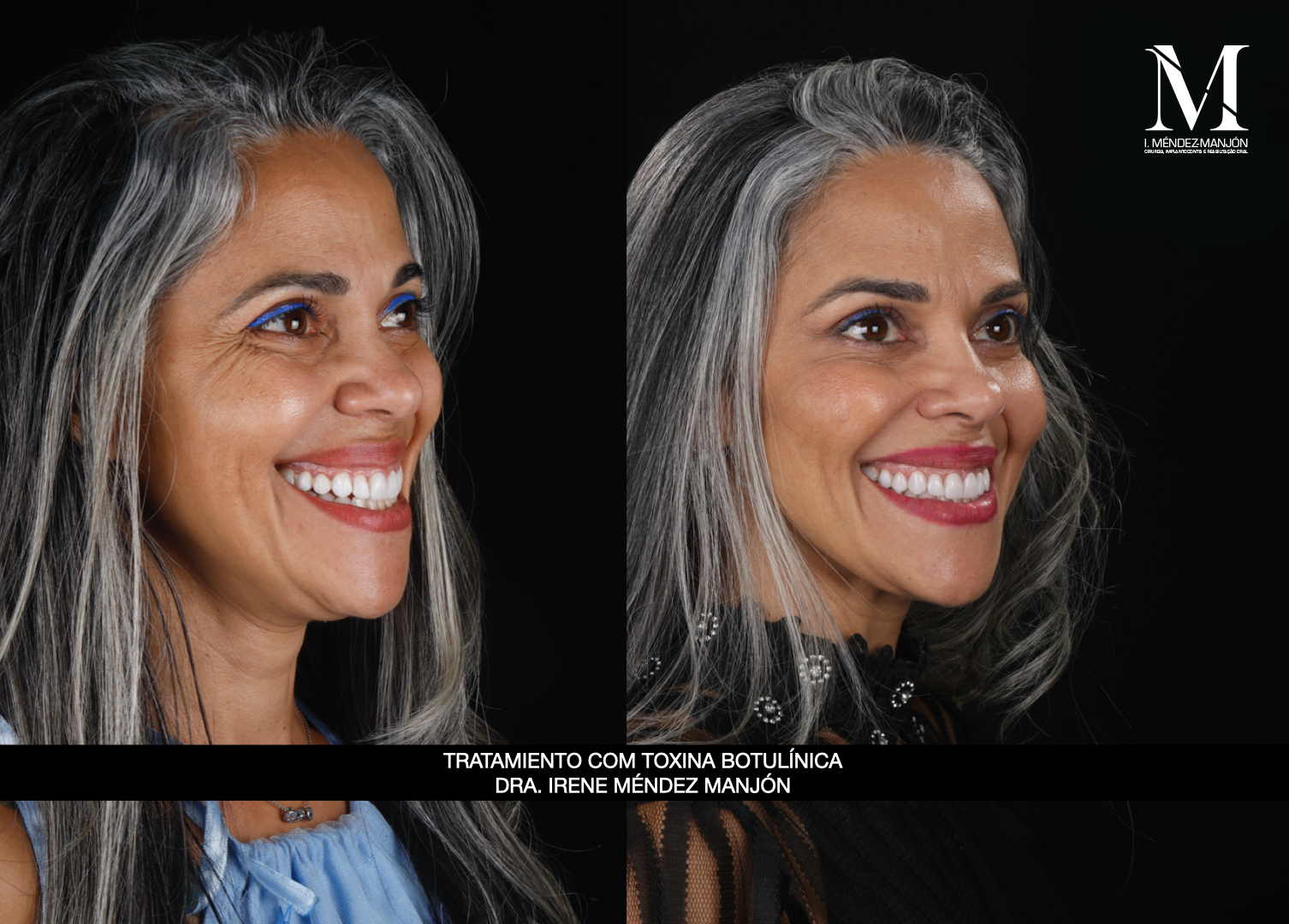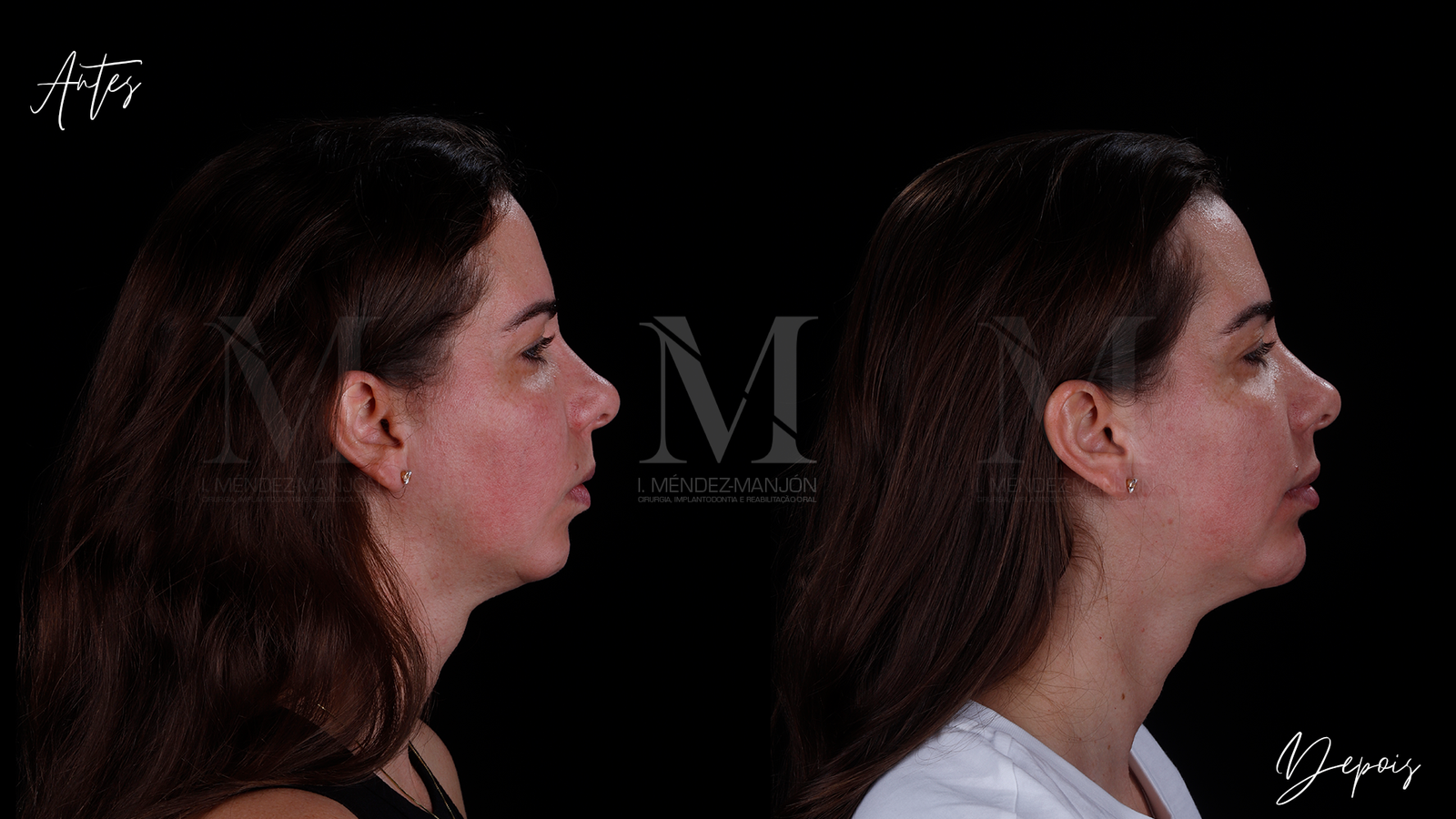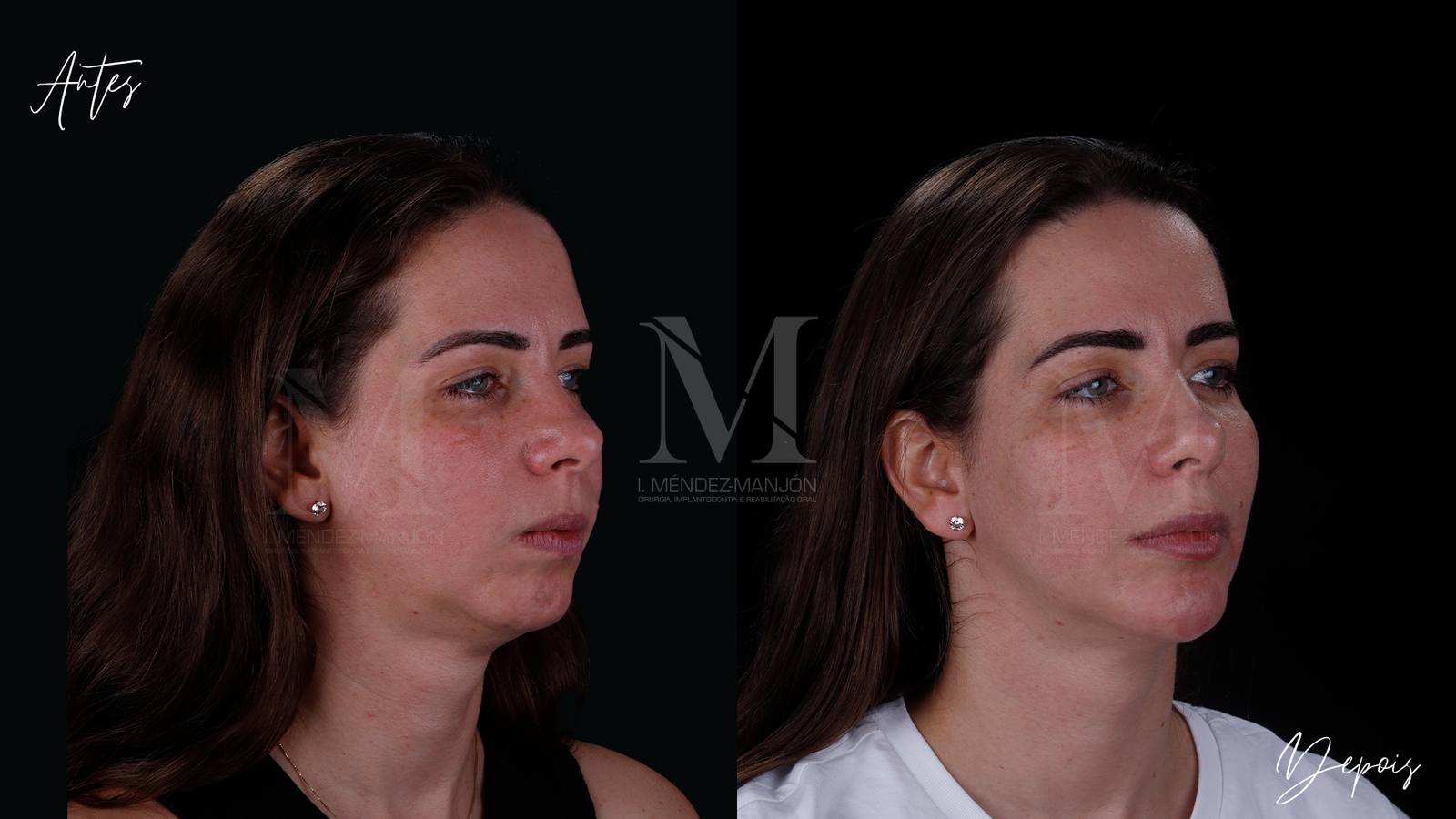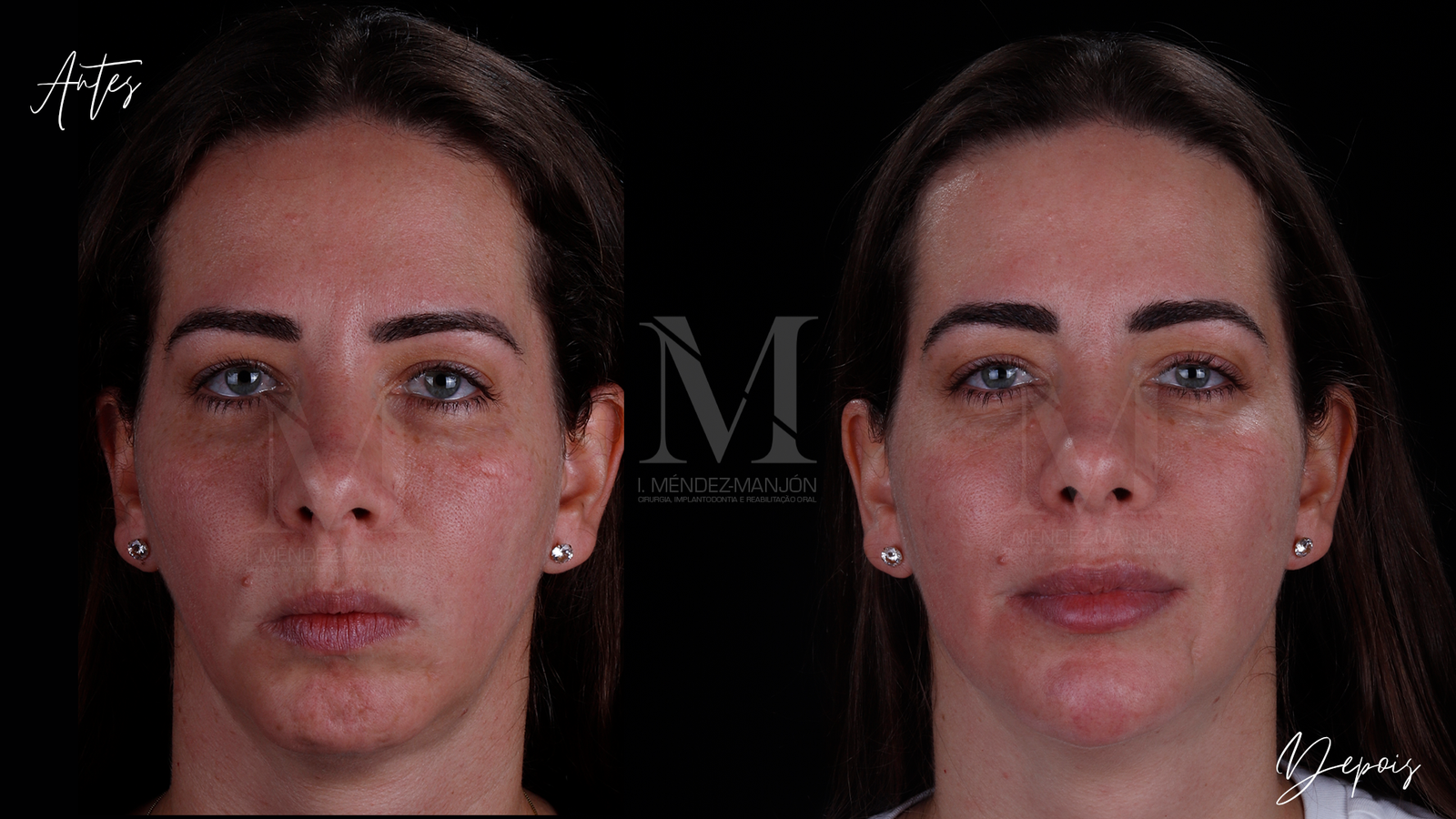
Botulinum toxin, popularly known by the trade names Botox, Dysport, Xeomin, among others, is a substance widely used in aesthetic and therapeutic medicine to treat various conditions.
This substance is a type of neurotoxin produced by the bacterium Clostridium botulinum, which, when applied in small doses, blocks muscle nerve signals, resulting in temporary muscle relaxation.
– Reduction of wrinkles and expression lines, such as crow’s feet, forehead lines and lines between the eyebrows.
– Correction of gummy smile due to lip hypermovability
– Reduction of expression lines around the lips (bar code).
– Improvement in the appearance of wrinkled neck (platysmal band).
– Control of muscle spasms and dystonia, such as blepharospasm (eyelid spasms) and hemifacial spasm.
– Treatment of chronic migraines.
– In some chronic pain conditions, as in addition to the muscular effect, it blocks two main pain mediators: Substance P and Glutamate
– Relief of bruxism symptoms (teeth grinding).
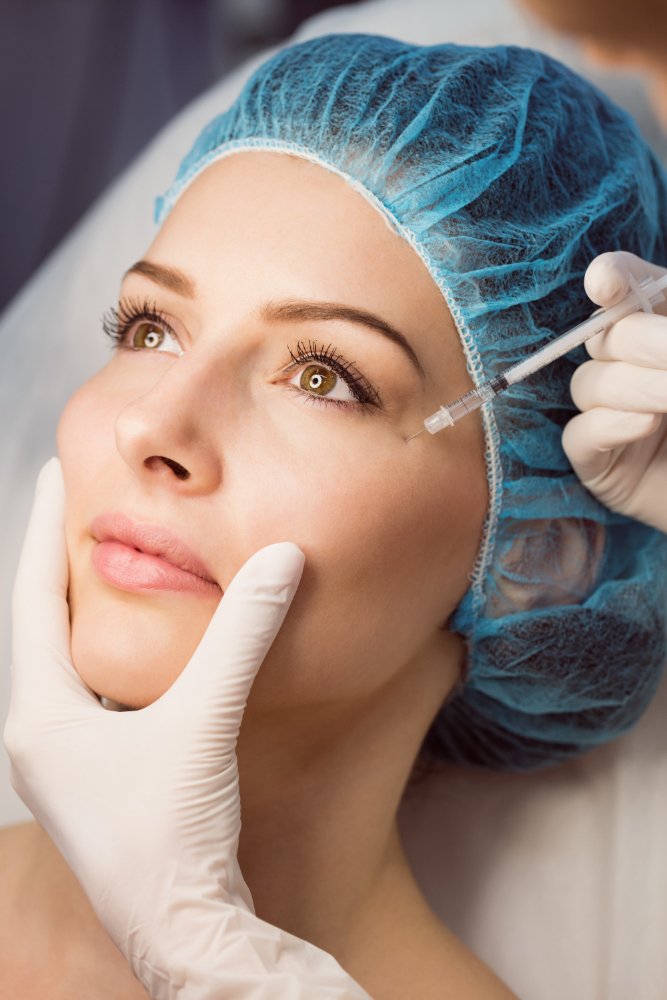
– Results: The effects begin to be noticed within 3 to 5 days of application, with full results visible in up to 2 weeks.
– Duration: The effects of botulinum toxin generally last between 3 and 6 months, after which further applications may be necessary to maintain the results.
After applying botulinum toxin, it is important to follow some guidelines to ensure the best results:
– Avoid lying down for 4 hours after the procedure.
– Do not massage or rub the treated area for the first 24 hours.
– Avoid intense physical activity and exposure to extreme heat (such as saunas) for 24 hours.
– Follow the Doctor’s specific guidelines to maximize results and minimize possible side effects.
The ideal follow-up begins with the appearance of the first tooth or until the first year of life. This first contact is preventive and educational, and is essential for:
Starting early makes care simpler, more natural and more effective, as well as creating a healthy relationship between the child and the dental environment.
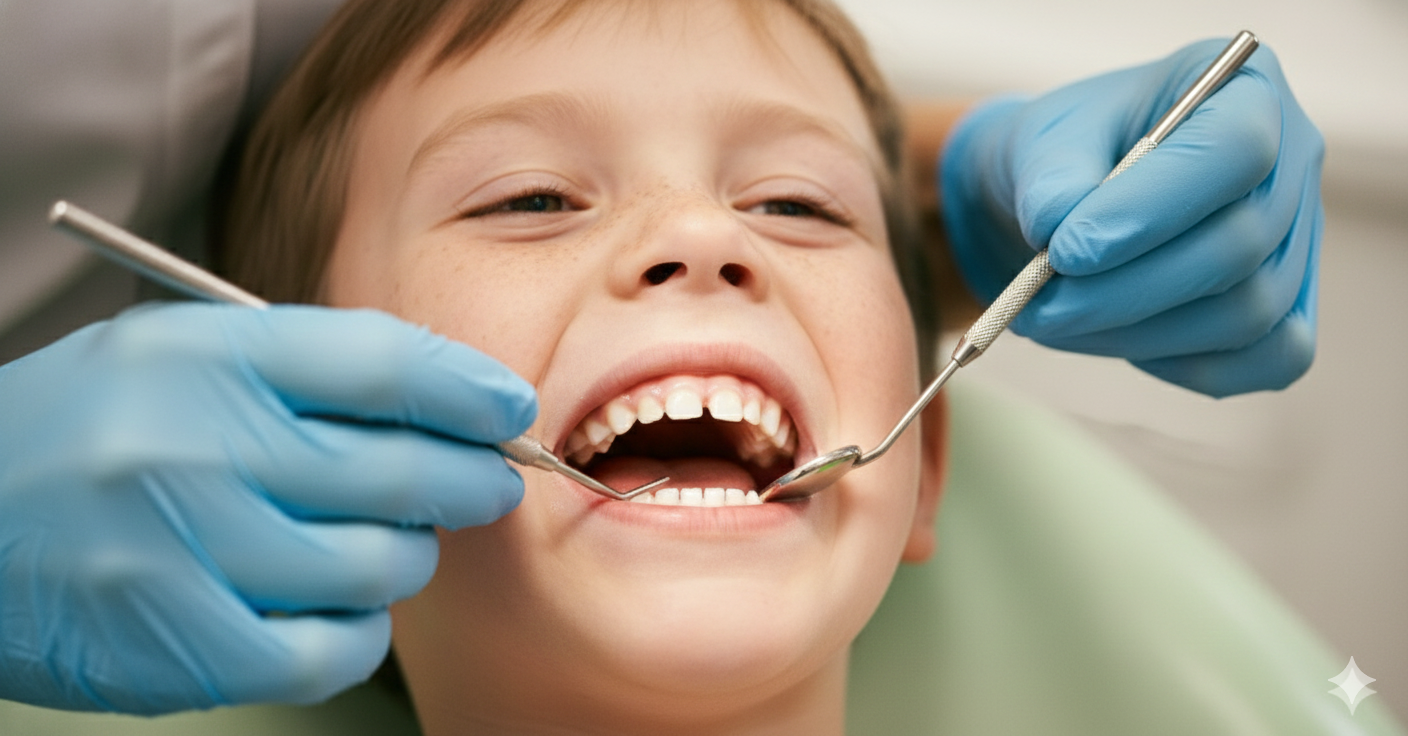

Primary teeth play a fundamental role in children’s development. They are responsible for proper chewing, speech, the aesthetics of the smile and maintaining the correct space for the permanent teeth.
This is why baby teeth must be monitored, treated and preserved with the same clinical rigor as permanent teeth. Pediatric dentistry works to ensure that this phase is conducted in a healthy and balanced way.
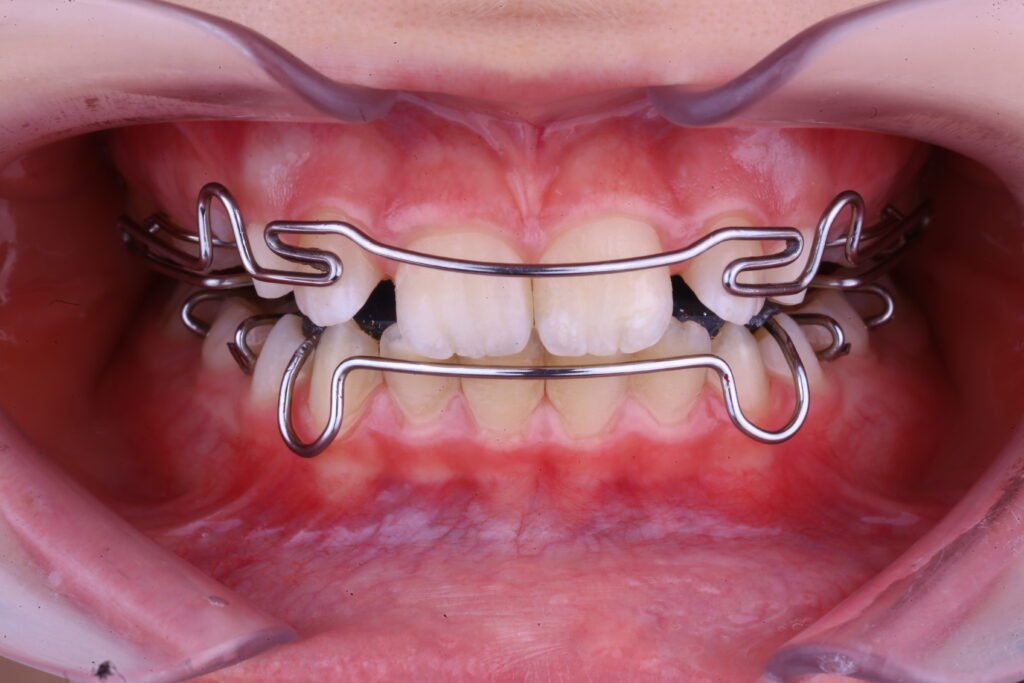
At the Manjón Ertty Clinic, pediatric dentistry is integrated with orthodontics and functional jaw orthopedics. This support enables:
Early occlusion assessment
Identification of changes in facial growth
Guidance on habits such as mouth breathing, sucking and oral posture
Preventive interventions at the right time, when necessary
This integrated vision provides complete and individualized care, respecting the development of each child.
Fale Conosco